
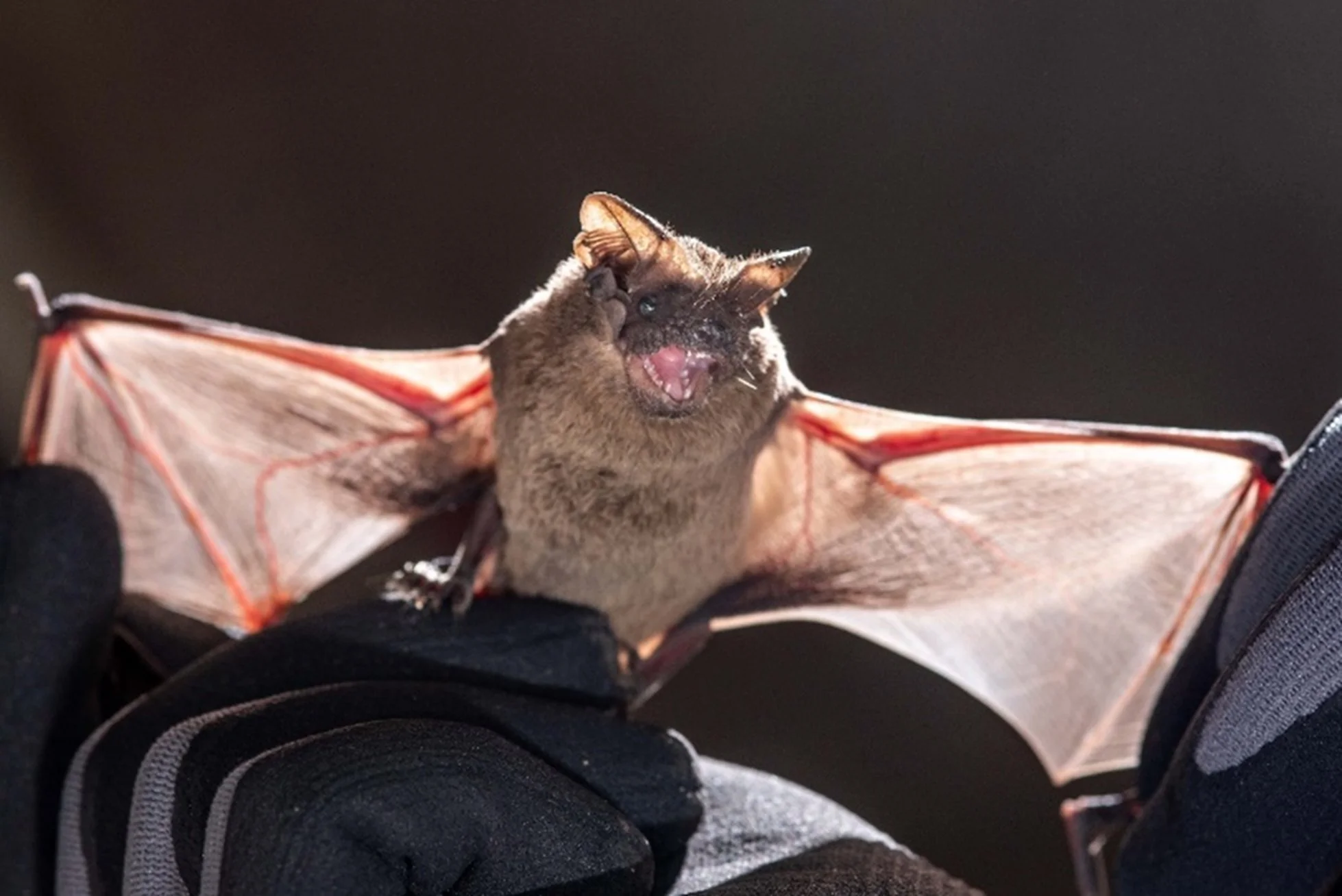
Comprehensive Bat and Habitat Monitoring for Central Texas Bridge Replacement Projects
Project Overview and Objectives
Zara Environmental LLC conducted a multi-year study to support three major bridge replacement projects in Central Texas where large bat colonies were present.
The team established pre-construction baseline data on bat activity, designed and monitored artificial roosts, and assessed water quality impacts from guano. Post-construction monitoring confirmed successful bat relocation and long-term use of the new structures. Zara’s work informed best practices for habitat design, relocation strategies, and ongoing monitoring—providing a model for future projects involving sensitive bat populations.
The Challenge
TxDOT needed to replace bridges occupied by large bat colonies, including maternity roosts, without harming the populations or delaying construction. The challenge was to support relocation efforts while designing a study to understand colony dynamics, develop suitable alternative habitat, and monitor long-term outcomes.
Project Success
Zara’s science-based approach enabled TxDOT to protect wildlife while keeping construction on schedule. Thousands of bats were safely excluded and relocated to newly installed artificial roosts. Key findings included:
Artificial bat houses provided comparable or greater habitat volume than the original bridge structures, confirming their value for habitat mitigation.
Bat traps revealed how bats “stack” within roost gaps, improving the accuracy of population estimates.
PIT tag monitoring confirmed long-term survival (up to six years) and demonstrated no negative effects on bat longevity or site fidelity.
Roost switching was observed, with PIT-tagged bats from Lampasas Bridge later detected at Salado Bridge following habitat removal.
Year-round activity was recorded at the new bat houses, including winter use, suggesting some Brazilian free-tailed bats overwinter in Central Texas.
Species composition shifted post-relocation, with acoustic surveys indicating increased presence of big brown, hoary, and silver-haired bats.
Water quality impacts from guano were successfully mitigated through BMPs like stormwater diversion and routine guano removal.
Zara’s Contribution and Innovative Approach
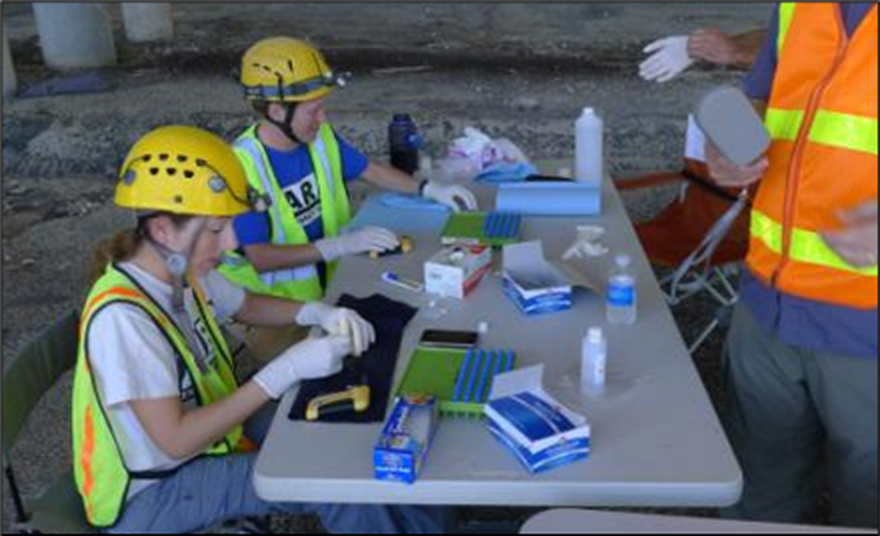
Zara employed a suite of advanced monitoring techniques to evaluate bat colonies prior to bridge demolition. The team pioneered the use of passive integrated transponder (PIT) tags for Brazilian free-tailed bats, enabling long-term tracking without affecting bat health. Population estimates were generated using still photography, bat traps, and PIT data, confirming seasonal peaks and identifying maternity activity at Lampasas Bridge. Zara also conducted detailed habitat mapping and microclimate analysis, revealing warm, enclosed roosting conditions within bridge gaps—insights used to design artificial bat houses. Acoustic surveys confirmed seven bat species across sites, supporting photographic data and highlighting species diversity. Water quality monitoring detected guano-related impacts downstream, prompting runoff mapping and mitigation strategies. Prior to demolition, Zara led bat exclusion and relocation efforts by sealing bridge gaps and manually relocating bats to newly installed bat houses on the replacement structures.

Our impact
Zara’s expertise in bat ecology, advanced monitoring, and habitat mitigation was key to the successful relocation and long-term conservation of bat populations alongside major infrastructure upgrades. Projects like this show that conservation and development don’t have to be at odds—there’s room for both. By bridging the gap between ecological stewardship and project delivery, Zara helps clients meet environmental responsibilities without sacrificing progress.