
Freshwater Mussel Relocation and Monitoring: Pioneering Conservation in the Elm Fork of the Trinity River
Project Overview and Objectives
Zara Environmental LLC spearheaded a project to conserve freshwater mussels in the challenging conditions of the Elm Fork of the Trinity River in Dallas, Texas. This initiative involved the relocation and long-term monitoring of a dense and well-established population of multiple mussel species, including the state-listed Texas Pigtoe (Fusconaia askewi).
The Challenge
Conducting mussel surveys in the Elm Fork of the Trinity River required working in deep, turbid, zero-visibility waters with entanglement hazards and frequent flooding. The urban setting added complexity, with altered flow regimes from impoundments and engineered channels, plus contamination from pollutants like PCBs, atrazine, bacteria, and dioxins. This was one of the first large-scale mussel studies attempted in such deep and extreme Texas river conditions.
Zara’s Contribution and Innovative Approach
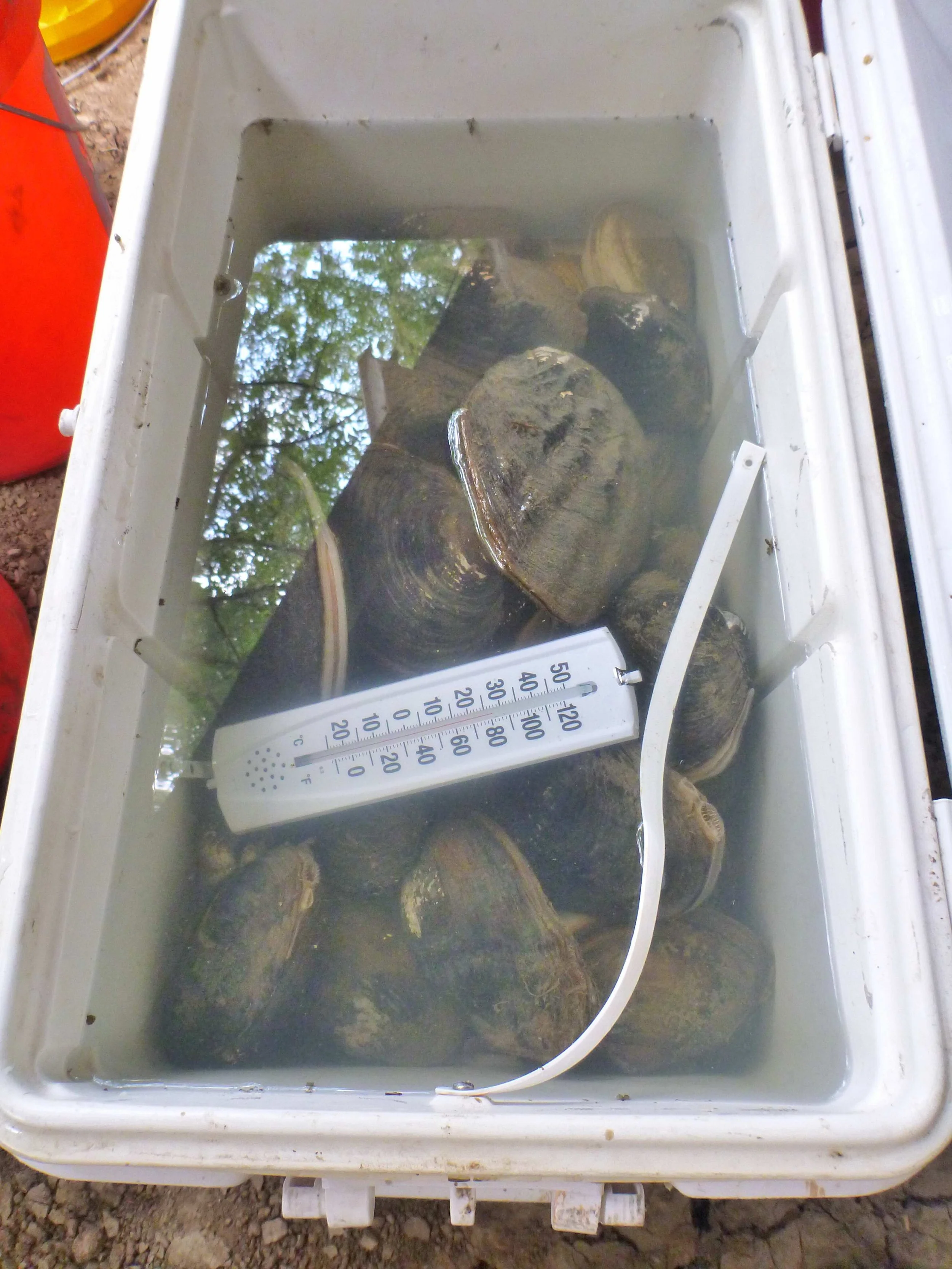
With zero visibility in the river, Zara’s dive team used specialized SCUBA gear and underwater communication systems to search by feel using tactile search exploration. Despite heavy silt and flood debris, divers adapted their search patterns to safely cover as much ground as possible, locating marked stations and relocated mussels by touch. A total of 448 mussels were collected and relocated out of the construction impact area. Live mussels were carefully held in mesh bags or coolers with native river water, with ice used to maintain stable temperatures during transport to the relocation site.
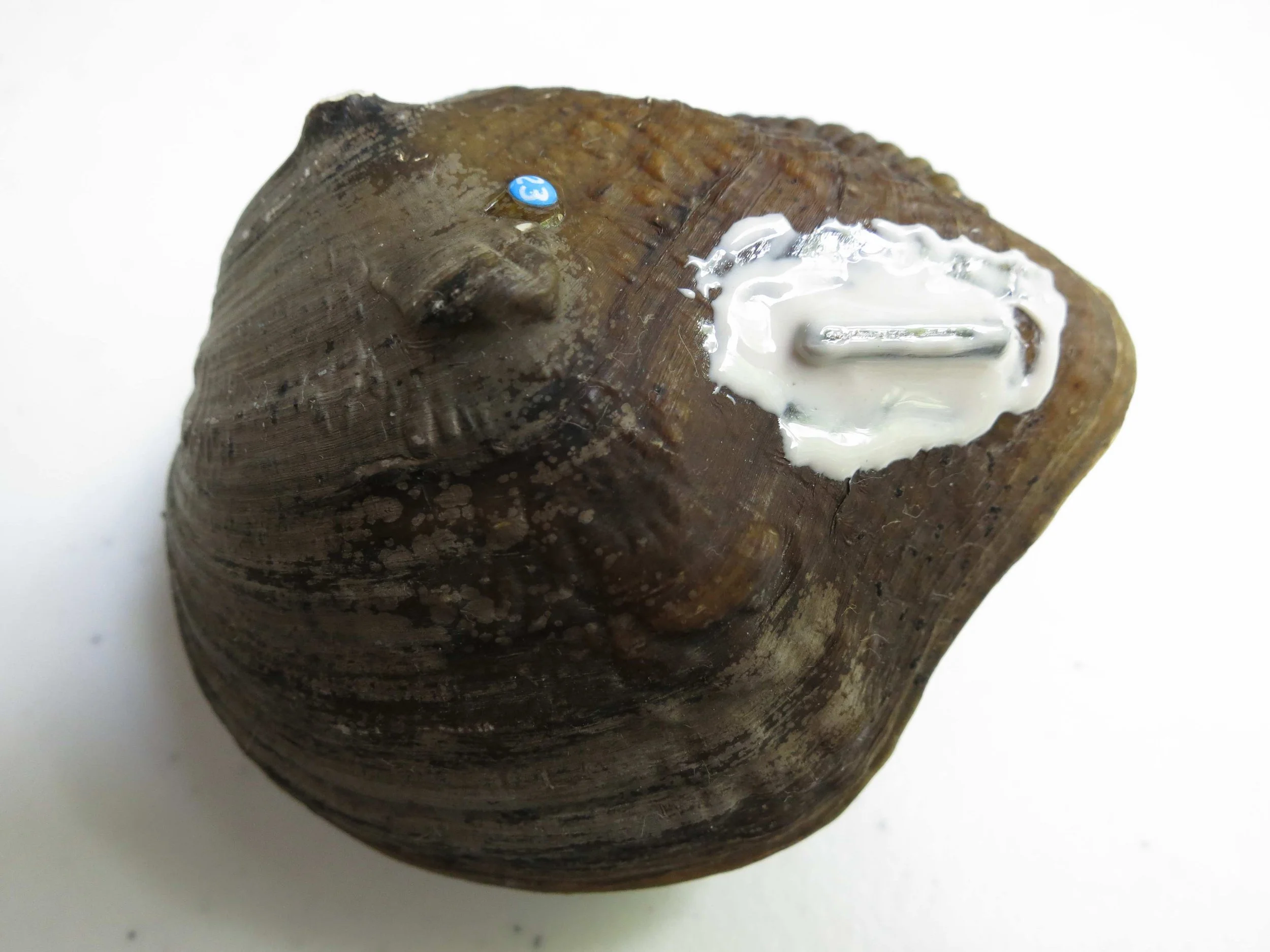
Relocation sites were strategically selected based on crucial factors, including similar habitat characteristics (e.g., substrate, depth, bank features), presence of existing mussel populations, freedom from future threats, and accessible logistics for long-term monitoring. To monitor mussels after relocation, Zara tagged 143 mussels with Passive Integrated Transponder (PIT) tags to enable precise, long-term post-relocation tracking. These tags allow scientists to track each mussel over time without harming them. Color-coded backups were also added to make field identification faster and more reliable.
Project Success
Despite the formidable challenges, the project demonstrated remarkable success:
The project achieved a cumulative recapture rate of 66%, with 94 of 143 tagged animals re-encountered over five survey events. This rate is notably higher than the average 43% rate reported in 21 other studies.
The monthly survival probability of tagged mussels was estimated at 0.98 ± 0.004 over a 39-month monitoring period. This high survival rate strongly suggests that the tagging and relocation methods employed had little to no negative impact on the mussels' survival.
This project provides compelling evidence that the relocation of freshwater mussels from impacted areas is an effective strategy for preventing direct construction-related mortality in individual mussels.

Our impact
Findings from the project contributed valuable ecological data to the understanding of mussel populations in a previously understudied stretch of river and allowed for the refinement of sample and relocation techniques, establishing industry baseline expectations for recapture and survival.
This project underscores Zara Environmental LLC's expertise in executing complex environmental conservation efforts under extreme conditions, setting new benchmarks for freshwater mussel relocation success.