
Macroinvertebrate Assessment at Grand Canyon National Park Caves
Project Overview and Objectives
Zara collaborated with National Park Service to assess macroinvertebrate communities within three cave systems in Grand Canyon National Park. The assessment was initiated as part of the permitting process with the Arizona Department of Environmental Quality, in support of a proposed extension of a water intake pipe at Roaring Springs Cave.
Roaring Springs is the sole water source for Grand Canyon National Park, supplying potable water via the Trans-Canyon Pipeline to millions of annual visitors, permanent residents, and for fire suppression. The planned infrastructure work involved short-term construction impacts and permanent changes to the cave substrate, prompting the need for a comprehensive evaluation to determine potential effects on cave-dwelling species.
The Challenge
Before moving forward with the pipeline extension, the Park needed to assess potential impacts to rare cave-dwelling species The project posed short- and long-term risks to sensitive cave habitats, requiring specialized biological surveys in remote, low-light environments to inform project decisions.
Zara’s Contribution and Innovative Approach
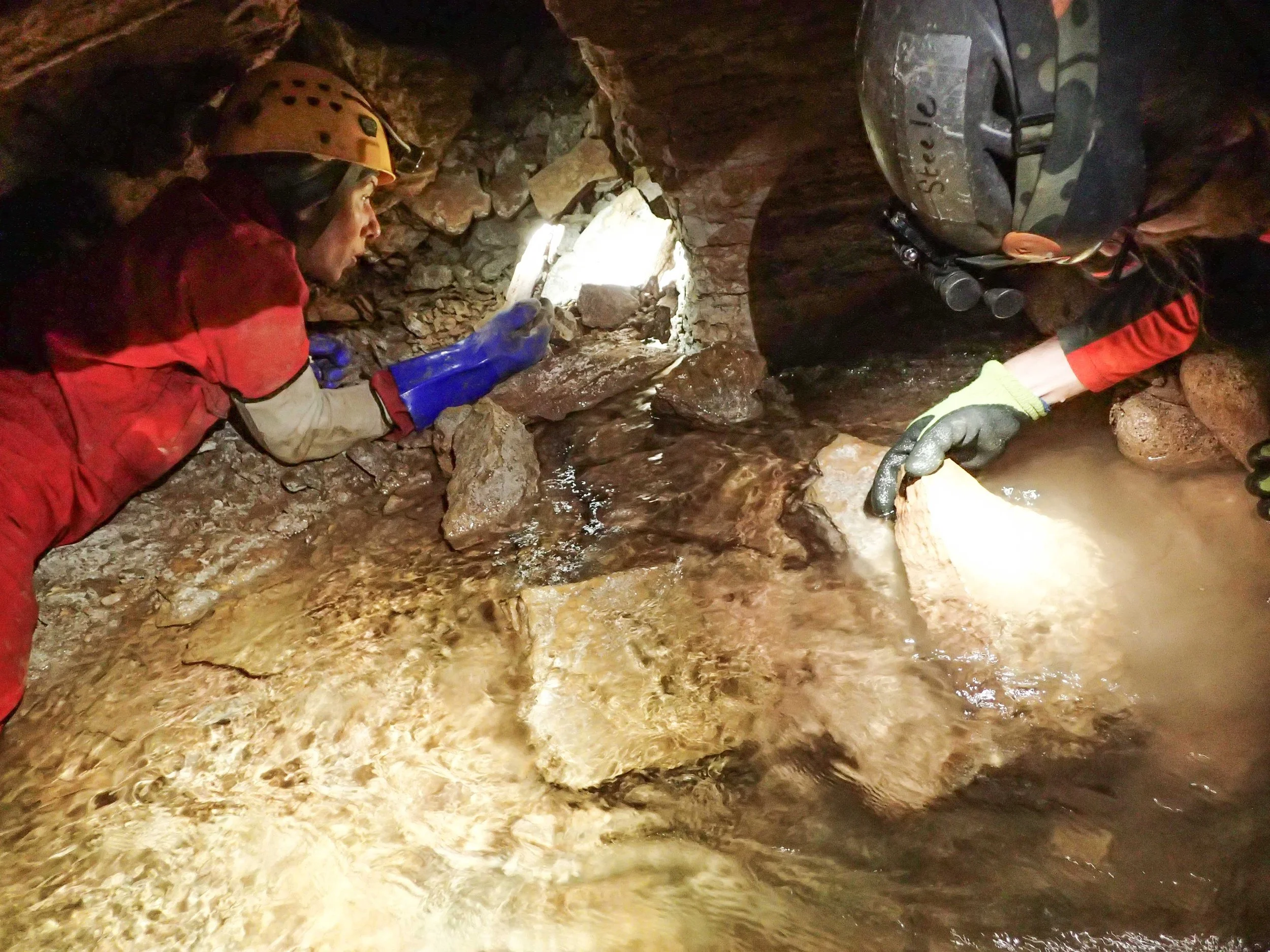
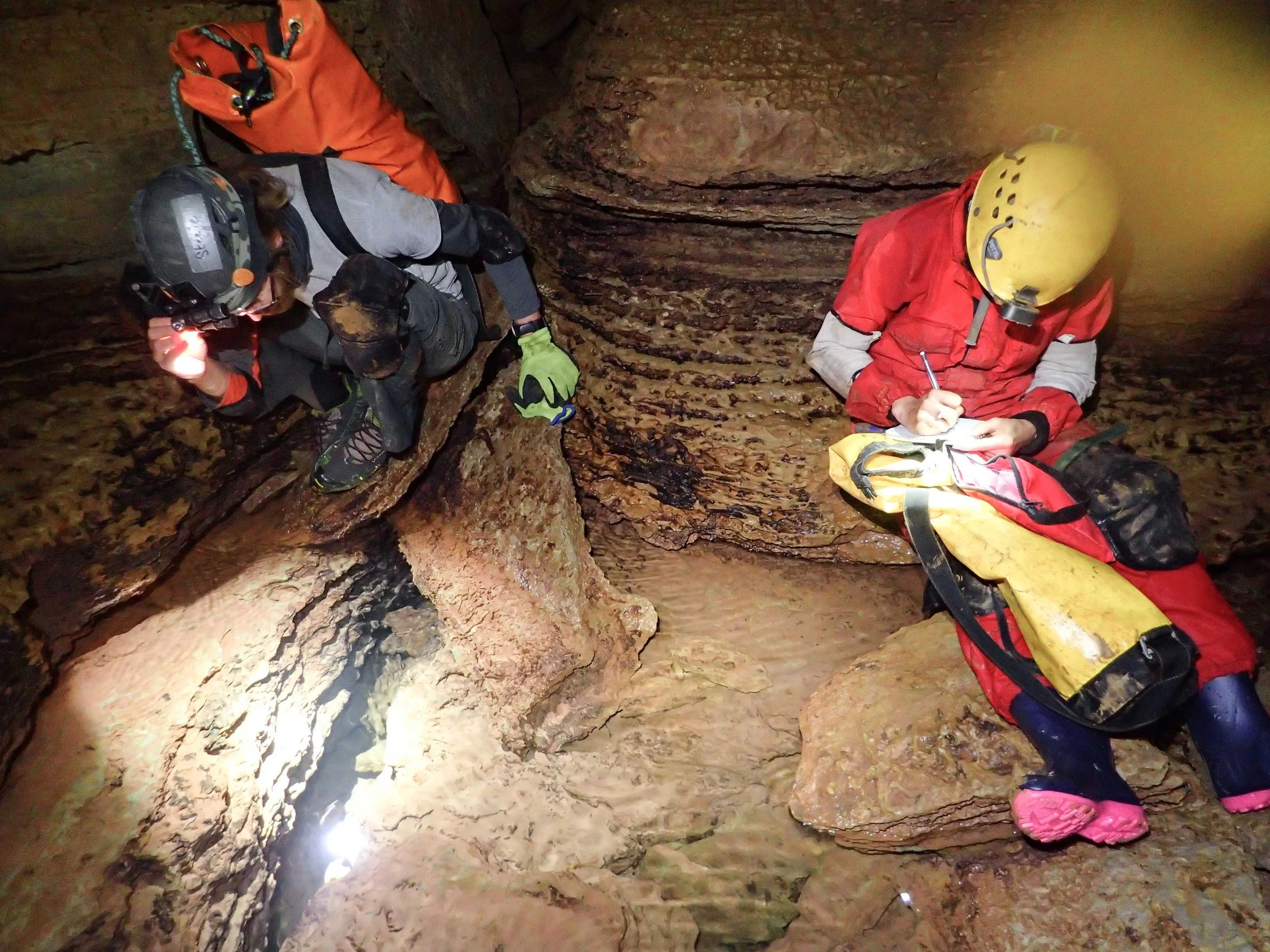
Zara conducted intensive biological surveys in Roaring Springs, Shorty, and Silver Creek caves to assess macroinvertebrate communities and species distribution. The team, including Zara’s Dr. Jean Krejca and Krista McDermid, used a range of methods including visual searches in wet and dry passages, examination of guano and packrat middens, and installation of driftnets and plankton nets to sample aquatic fauna. Targeted timed-area searches in Roaring Springs Cave were also conducted to quantify the distribution and habitat preferences of the rare amphipod Stygobromus blinni. Findings from the study guided practical, science-backed recommendations to minimize construction impacts, protect cave habitats, and maintain water quality during the pipeline extension.
Project Success
Zara’s work provided the critical biological data needed to keep the Roaring Springs water intake extension moving forward while protecting sensitive cave ecosystems.
Our surveys expanded the known range of the rare amphipod Stygobromus blinni, confirming its presence in all three study caves—not just Roaring Springs, as previously believed. This broader distribution supports more flexible management and planning approaches. We also identified a robust population in Roaring Springs Cave and gathered evidence that the species moves through the water column, not just along the substrate—an important insight for minimizing disturbance during construction.
Additionally, Zara produced the first documented fauna lists for Shorty and Silver Creek caves, contributing valuable baseline data for long-term resource management. While S. blinni was not abundant in the proposed impact area, habitat conditions matched those in occupied zones, helping guide future mitigation planning. Our insights addressed critical knowledge gaps around energy flow, species habitat, and nutrient contributions from key wildlife like bats and packrats.
These findings enabled GRCA and permitting agencies to move forward with confidence, backed by sound science and a clear understanding of potential ecological impacts.

Our impact
Zara’s work at Grand Canyon National Park demonstrates our ability to support essential public works without compromising sensitive biological resources. Beyond immediate project needs, we contributed long-term strategies for managing and monitoring rare cave-dwelling species, helping GRCA strengthen stewardship of its unique subterranean ecosystems.
With deep experience at the intersection of science and infrastructure, Zara is well-positioned to support clients seeking solutions that balance progress with protection—no matter how complex the project or how demanding the environment.