
Cave Surveys Supporting the Trans-Canyon Pipeline at Grand Canyon
Project Location:
Grand Canyon, National Park
Project Owner:
National Park Service
Project Type:
Natural Resource Management
Water Infrastructure
Macroinvertebrate Assessment at Grand Canyon National Park Caves
Project Overview
The National Park Service retained Zara Environmental to assess cave-dwelling macroinvertebrate communities within three cave systems at Grand Canyon National Park. The work supported environmental permitting for the proposed extension of the Trans-Canyon Pipeline, a critical water supply system serving millions of annual visitors, park residents, and emergency services.
Because the pipeline extension had the potential to affect sensitive subterranean habitats, Zara conducted specialized biological surveys to document cave-dwelling species, evaluate habitat conditions, and provide the scientific information needed to support project planning while protecting these unique ecosystems.
Services Provided
Cave biological surveys
Macroinvertebrate community assessments
Rare species habitat evaluations
Species identification and distribution mapping
Drift net installation and monitoring
Guano and packrat midden investigations
Technical recommendations to minimize construction impacts
Environmental permitting support
Results & Project Impact
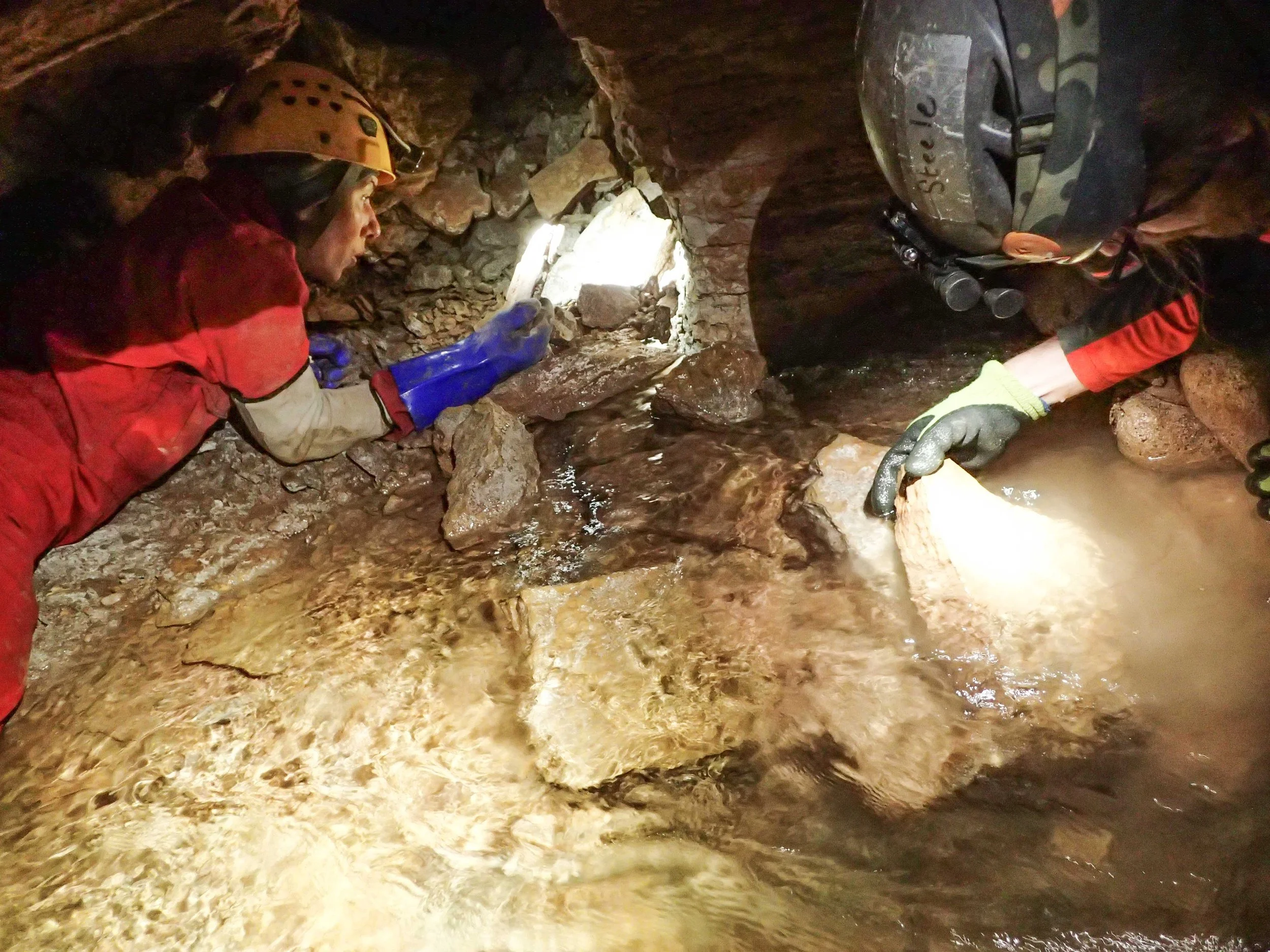
Zara surveyed Roaring Springs, Shorty Cave, and Silver Creek Cave using multiple techniques designed for challenging subterranean environments, including visual searches, drift net sampling, and habitat assessments. The study documented macroinvertebrate communities and confirmed the presence of the rare amphipod Stygobromus blinni in all three cave systems, expanding the known distribution of the species and providing valuable insight into its habitat preferences.
The surveys established important baseline biological data for long-term resource management while identifying practical measures to reduce construction impacts during the pipeline extension. Zara's findings helped project stakeholders better understand potential environmental effects and supported informed permitting decisions that balanced essential infrastructure improvements with the protection of Grand Canyon's unique cave ecosystems.
With deep experience at the intersection of science and infrastructure, Zara is well-positioned to support clients seeking solutions that balance progress with protection no matter how complex the project or how demanding the environment.
