
Bridging Infrastructure & Sensitive Resources at Redbud Trail
Project Location:
Austin, Texas
Year Completed:
2025
Project Owner:
City of Austin
Services:
CEF Surveys
Habitat Assessment
Presence/Absence Surveys
Spring & Groundwater Investigation
Geologic Assessment for WPAP
Project Type:
Transportation/Bridge
Redbud Trail Bridge Replacement
Project Overview
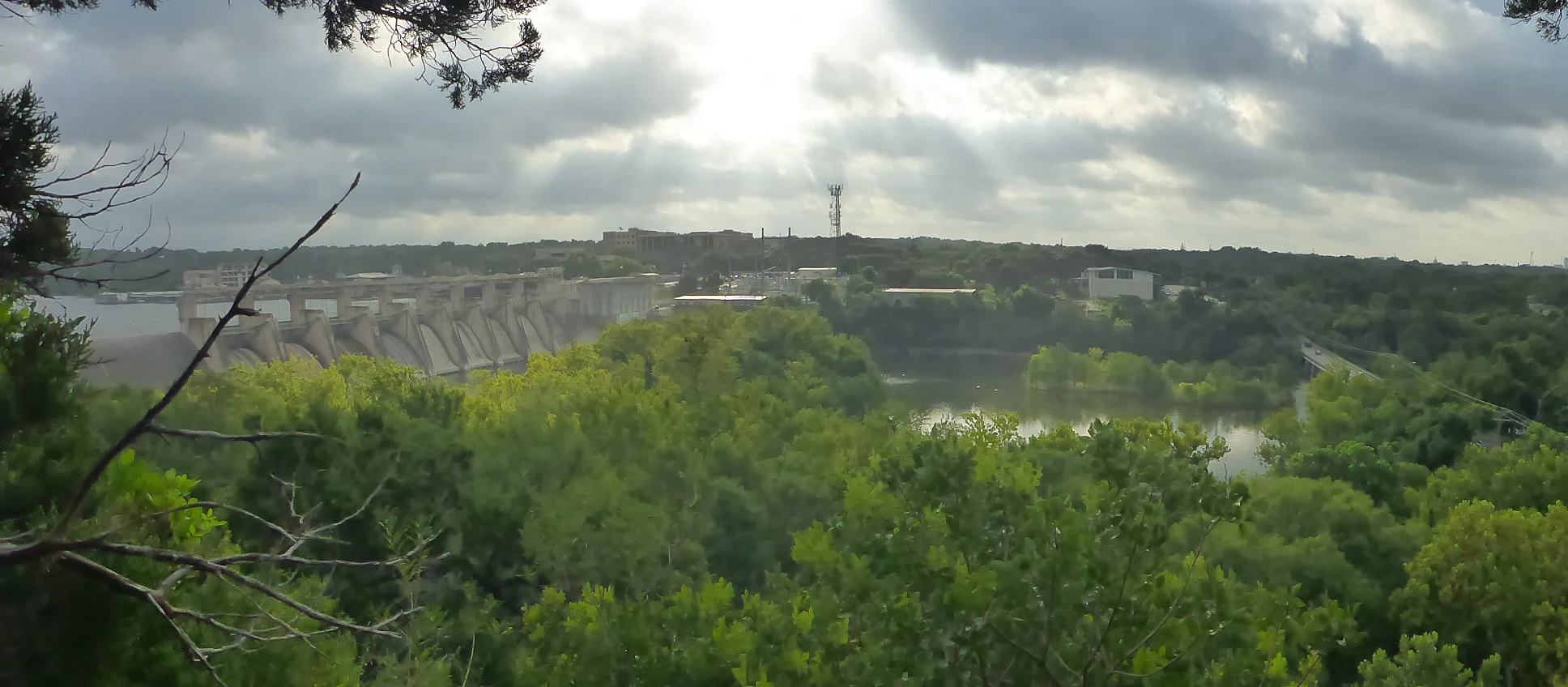
The City of Austin retained Zara Environmental to provide environmental, biological, and geologic services for the Redbud Trail Bridge Replacement Project, a complex transportation improvement located entirely within the Edwards Aquifer Recharge Zone. Zara's work supported the development of a new bridge alignment and associated roadway improvements between Lake Austin Boulevard and Forest View Drive.
The project corridor contained numerous sensitive resources, including karst features, springs, wetlands, and aquatic and subterranean habitats. Beginning with early investigations to support evaluation of alignment alternatives, Zara provided multidisciplinary studies throughout project development to identify environmental constraints, inform engineering decisions, and support compliance with City, state, and federal requirements.
Services Provided
Critical Environmental Feature (CEF) surveys
Karst invertebrate habitat & presence/absence surveys
Salamander habitat & presence/absence surveys
Spring hydrologic and groundwater geochemical evaluations
TCEQ Geologic Assessment for the Water Pollution Abatement Plan
Environmental reporting and regulatory compliance support
Results & Project Impact
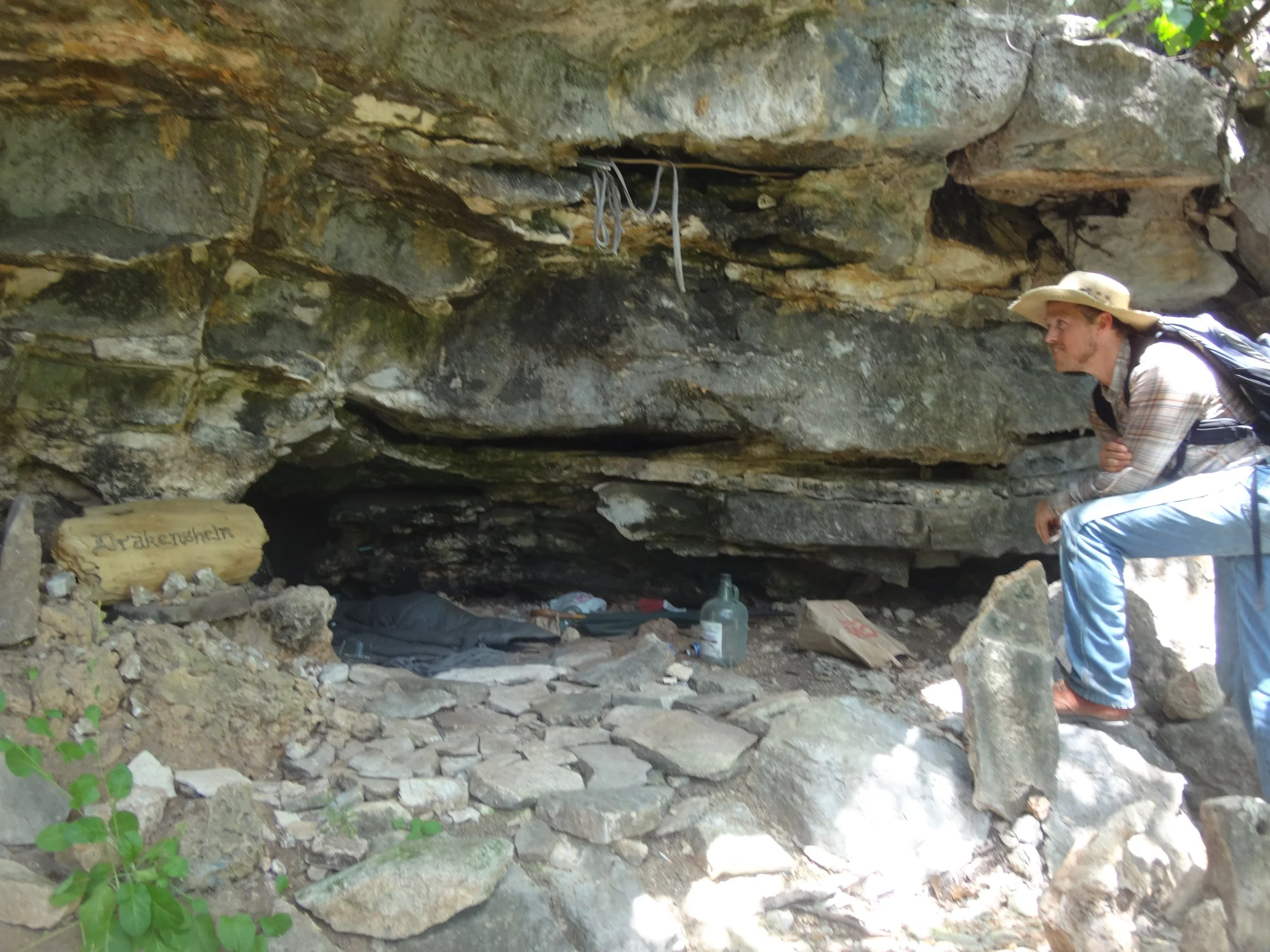
Zara's investigations documented caves, springs, seeps, canyon rimrock exposures, enlarged bedding planes, wetlands, and other sensitive features throughout the project corridor. Thirty-three karst features were evaluated using USFWS criteria, with several advancing to formal presence/absence surveys. Those investigations confirmed the federally listed Tooth Cave spider (Tayshaneta myopica) in one feature, establishing an important regulatory constraint requiring consideration during project design.
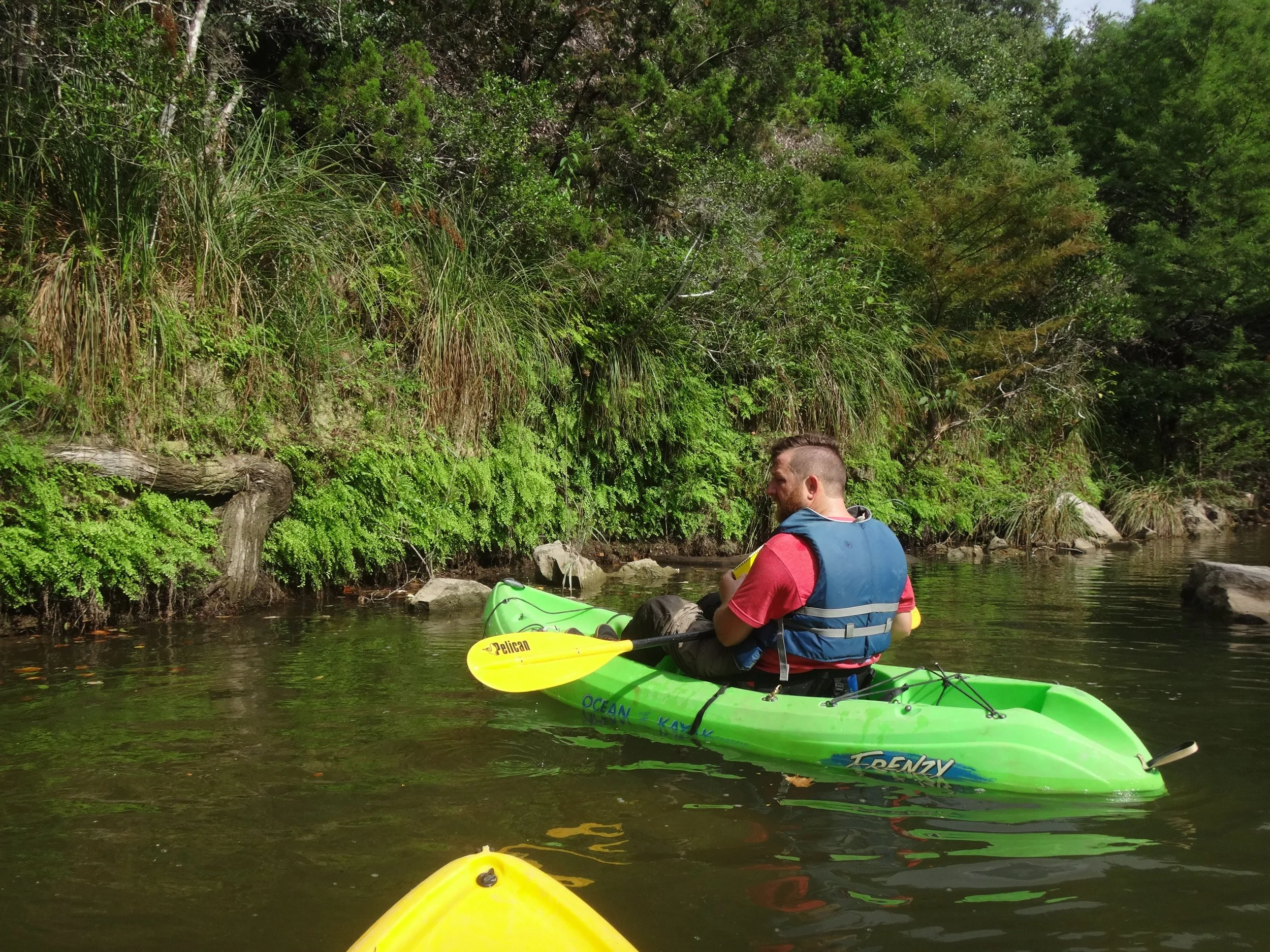
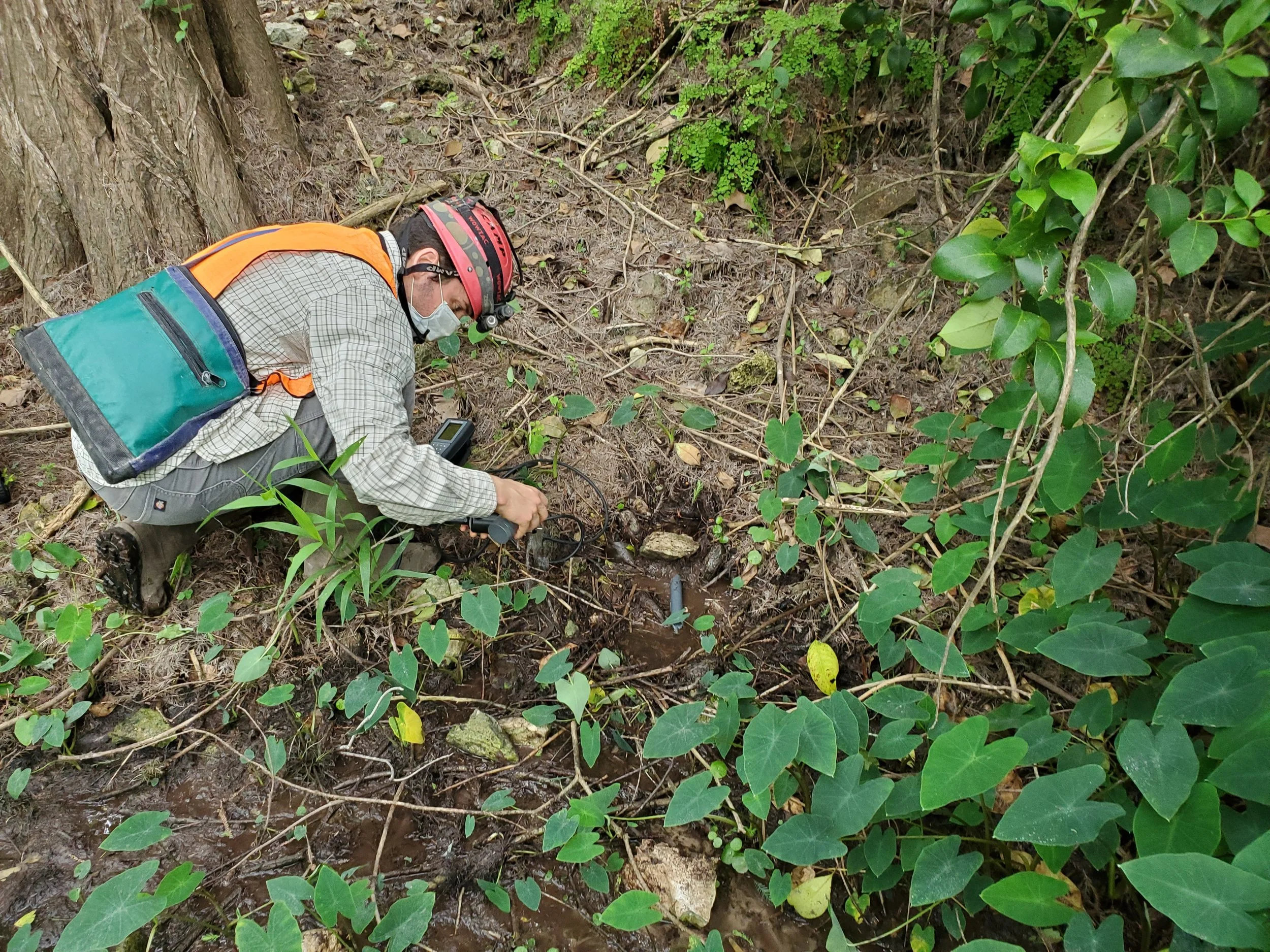
Additional investigations evaluated potential Eurycea salamander habitat, spring flow and aquifer connectivity, and groundwater geochemistry. Zara also prepared the TCEQ-compliant Geologic Assessment supporting the project's Water Pollution Abatement Plan.
By identifying sensitive resources and regulatory constraints during project development, Zara provided the City and engineering team with a defensible environmental baseline that could be incorporated into bridge and roadway design. The multidisciplinary approach helped minimize impacts to sensitive resources while supporting regulatory compliance as the project advanced.
