
Groundwater and Cave Monitoring in an Active Training Area at Fort Hood
Project Location:
Fort Hood, Texas
Project Partners:
University of Illinois
Services:
Groundwater Characterization
Geologic Mapping & Dye Tracing
Sediment Monitoring
Monitoring Protocol Development
Cave Ecology
Project Type:
Military / Natural Resource Management
Rocket River Groundwater Characterization and Ecological/Sediment Monitoring
Project Overview and Objectives
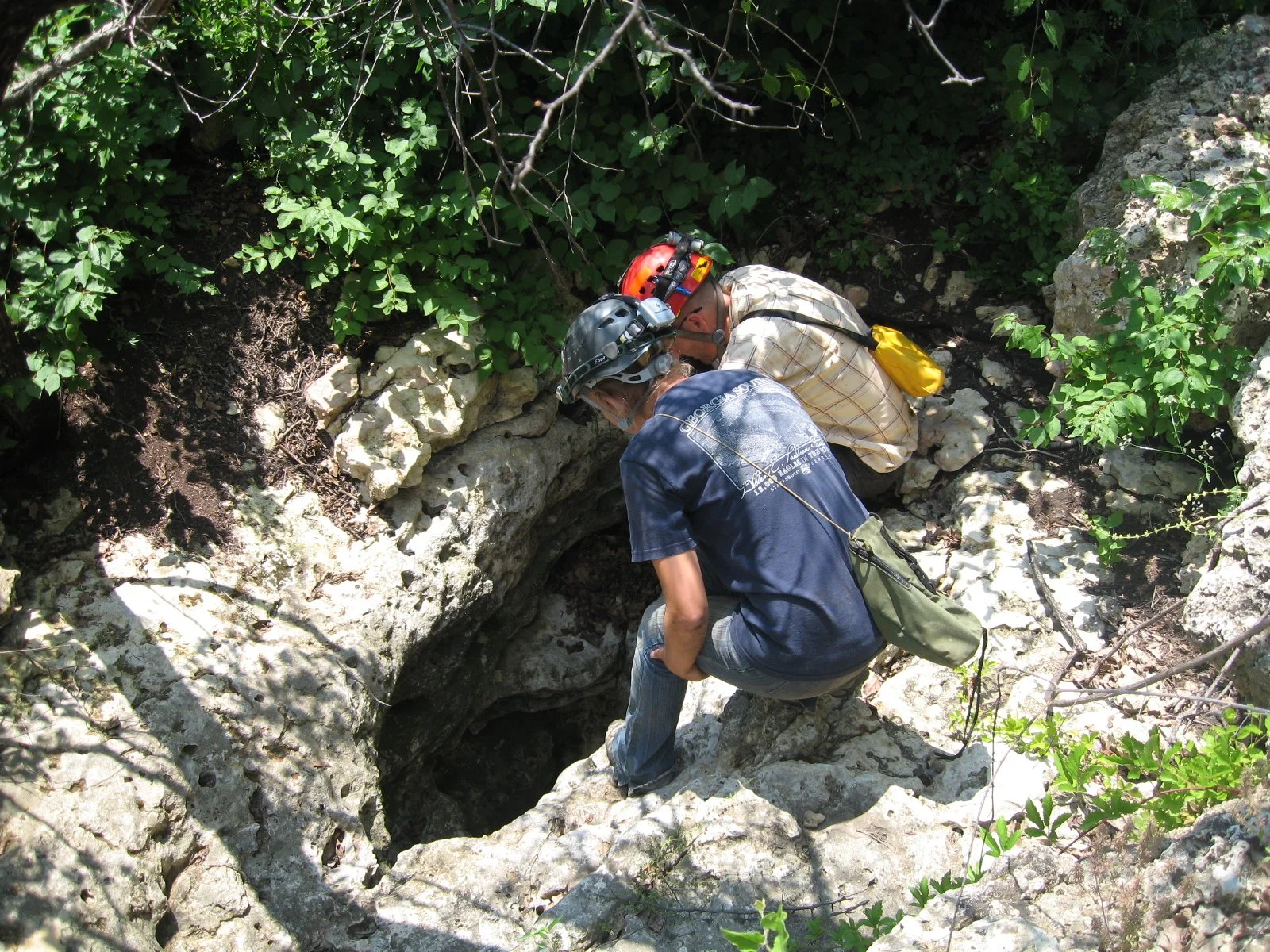
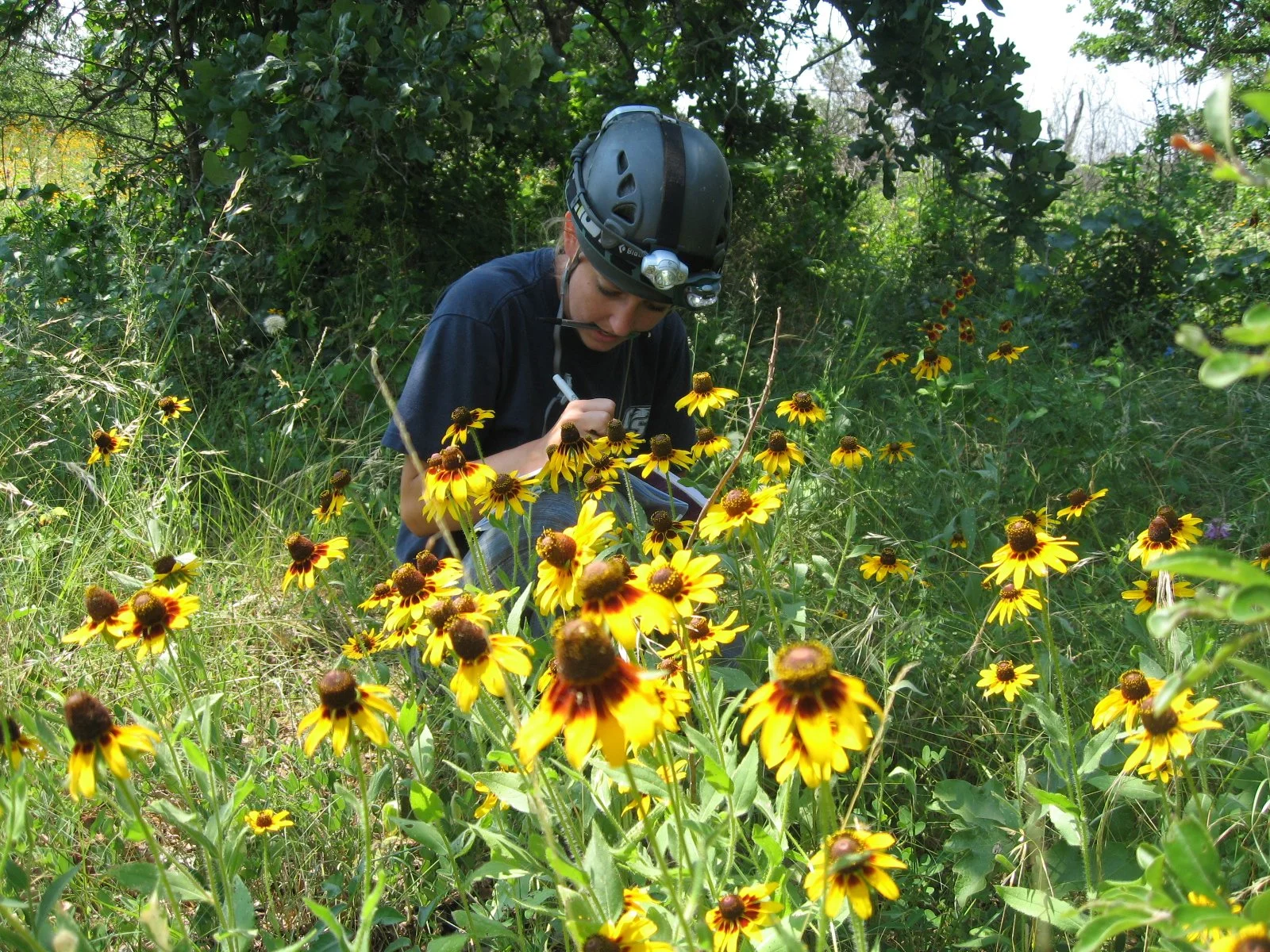
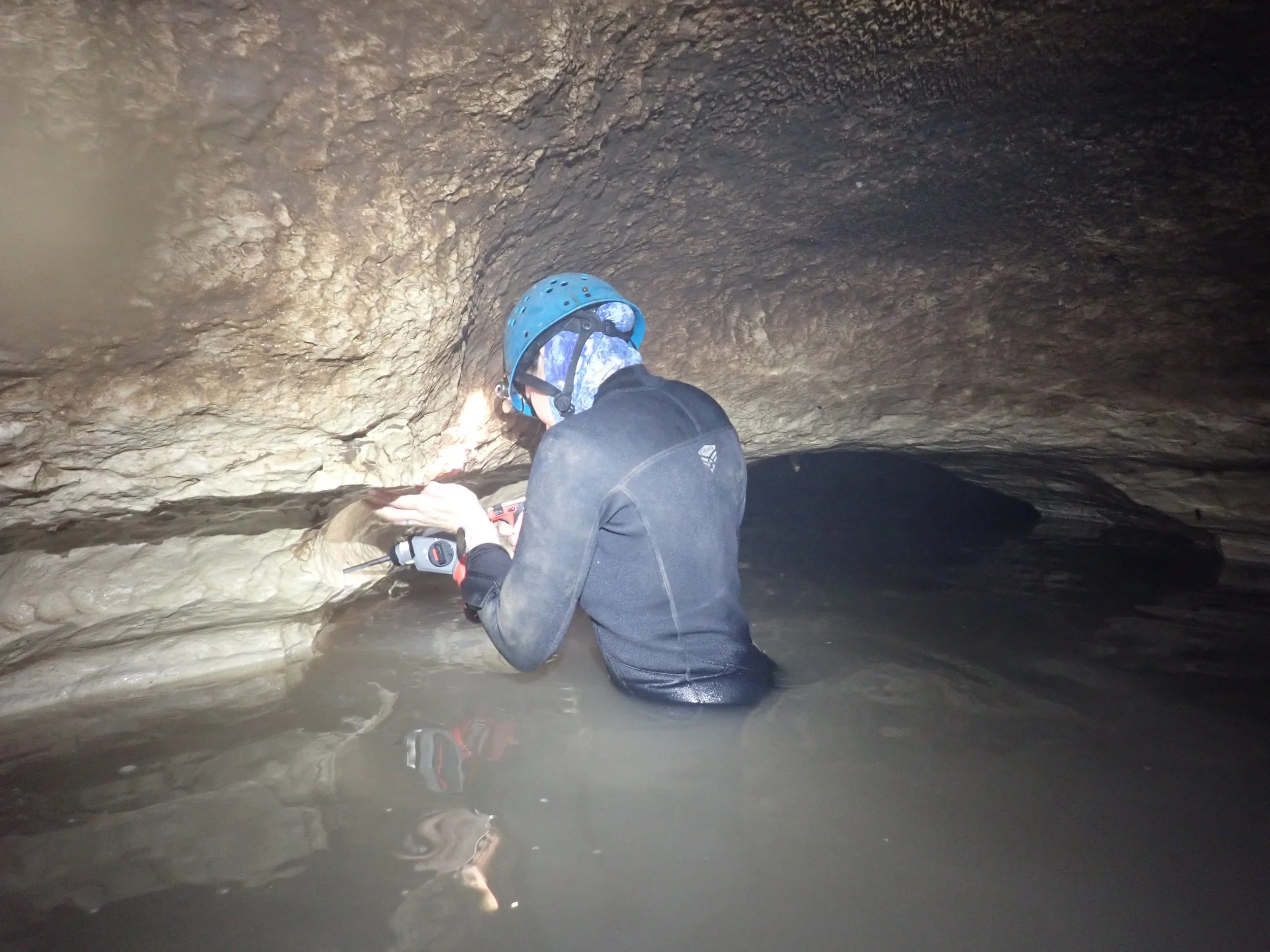
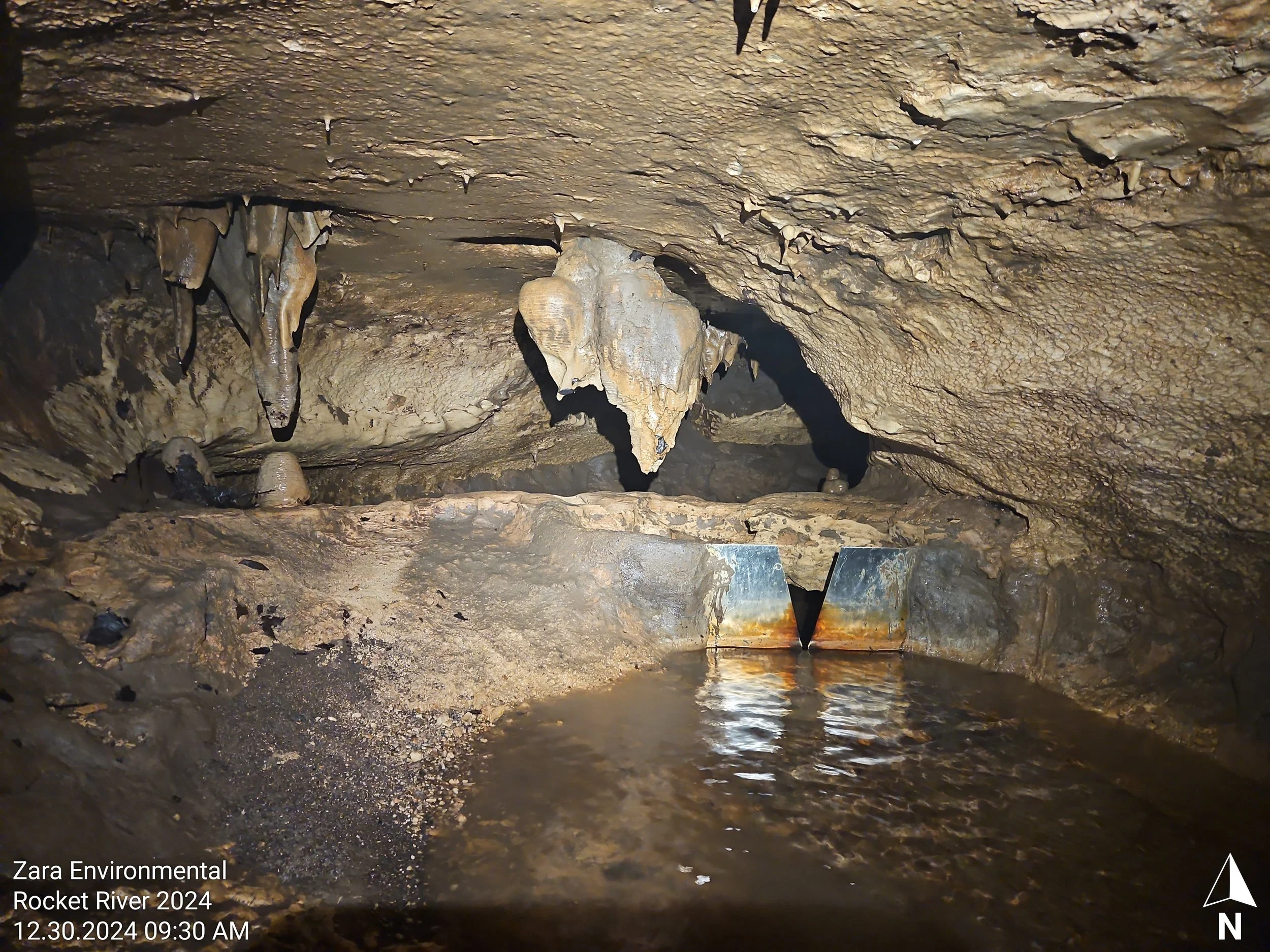
Working under contract through the University of Illinois, Zara Environmental conducted groundwater and ecological studies at Rocket River Cave within Fort Hood, Texas, to support natural resource management in an active military training area. The work combined geologic mapping, dye tracing, groundwater flow monitoring, and physiochemical measurements to characterize groundwater conditions within the sensitive karst system.
Zara also conducted an ecological and sediment monitoring effort focused on improving long-term management of the cave. This work evaluated sediment accumulation and monitoring variability, developed standardized monitoring procedures, and investigated cave cricket movement and habitat use. Together, the studies provided a more comprehensive understanding of both the physical and ecological processes occurring within Rocket River Cave.
Services Provided
Groundwater characterization
Geologic mapping
Dye tracing
Groundwater flow and physiochemical monitoring
Quantitative sediment monitoring
Standard Operating Procedure (SOP) development
Cave cricket mark-recapture research
Technical analysis and reporting
Results and Project Impact
Zara's groundwater investigations provided data to better characterize hydrologic conditions within Rocket River Cave, while quantitative sediment monitoring helped distinguish actual environmental change from variability associated with observers and monitoring methods. Zara used those findings to improve monitoring techniques and develop repeatable procedures for evaluating sediment conditions over time.
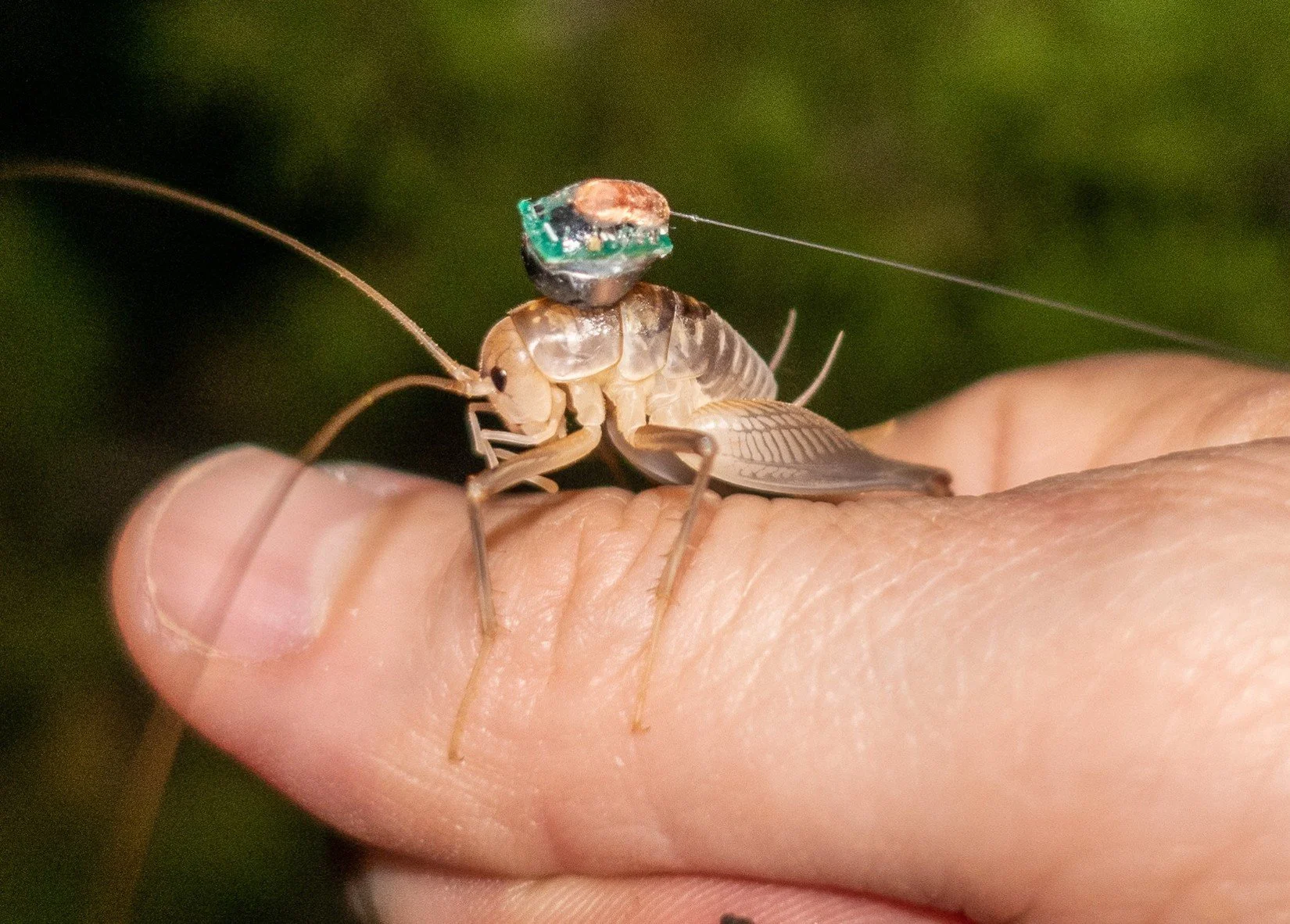
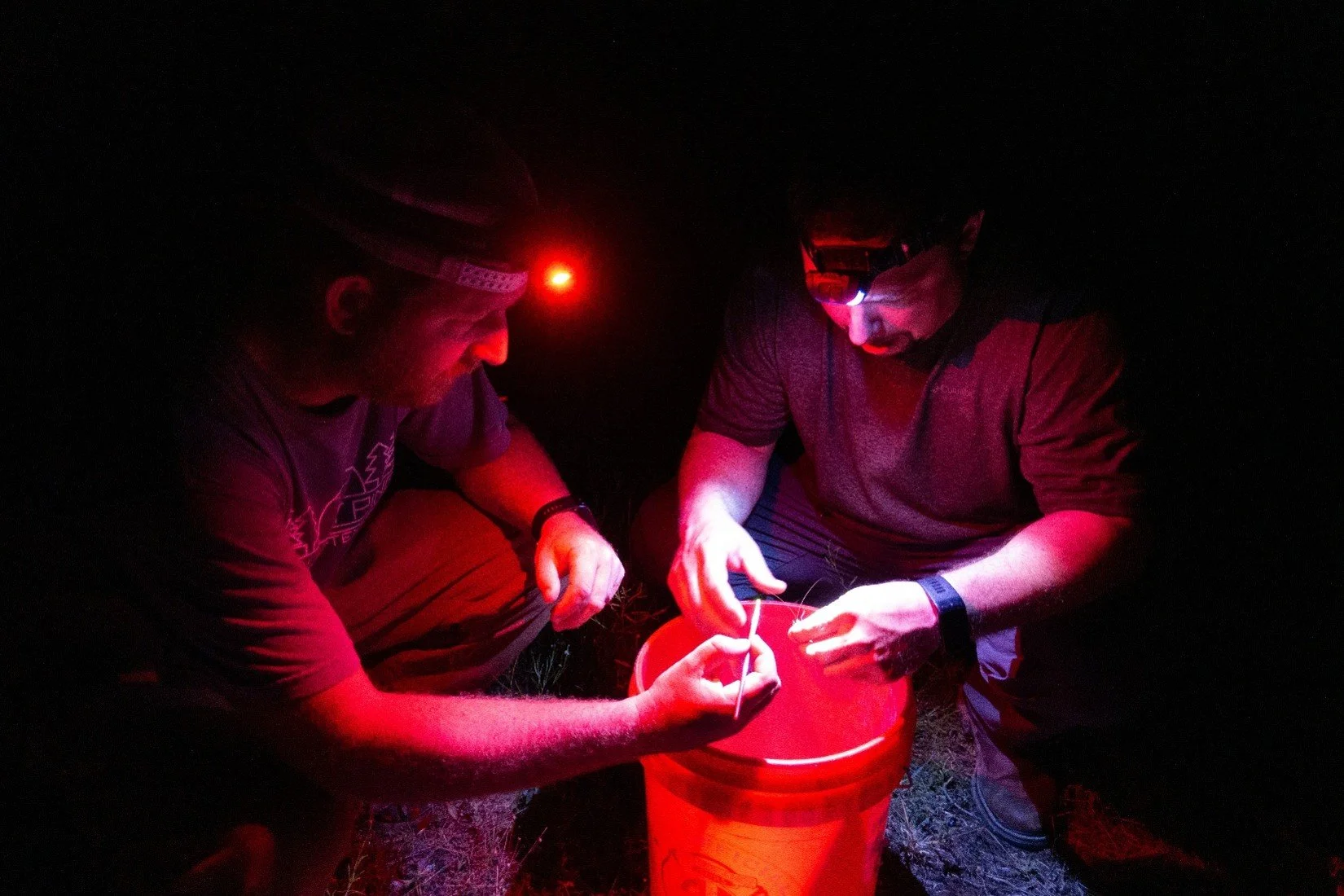
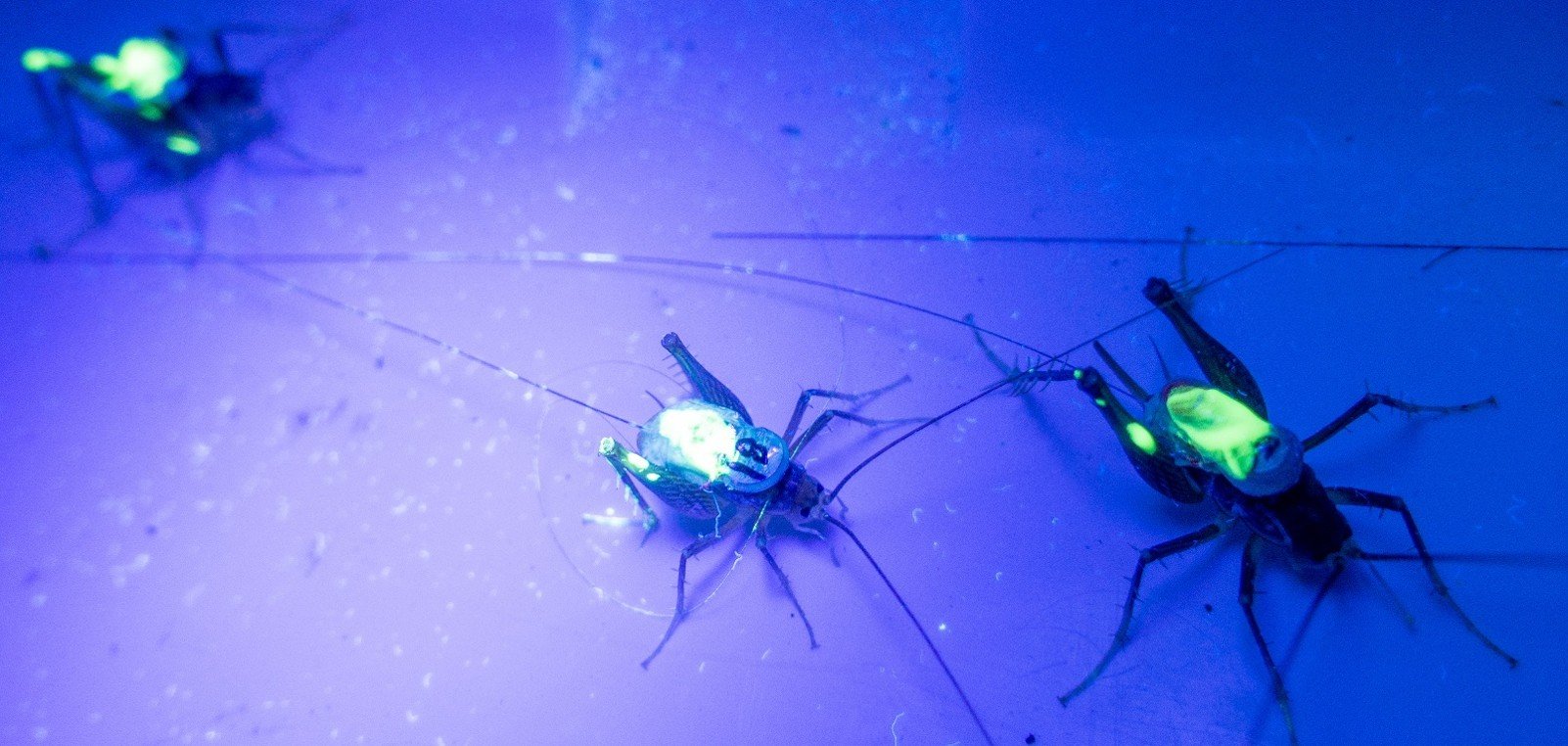
The ecological component included a mark-recapture study of cave crickets (Ceuthophilus spp.) using fluorescent paint and micro-radio transmitters to evaluate foraging range and habitat use, building on previous research within the cave system.
By integrating groundwater, geologic, sediment, and ecological investigations, Zara strengthened the long-term monitoring framework for Rocket River Cave. The work provided quantitative data and standardized methods that can support future land and natural resource management decisions within an active military training environment.
